April 13, 2026
Changing your hair color is one of the most impactful ways to refresh your look without completely reinventing your style. It can subtly enhance your natural features or make a bold statement, depending on the direction you choose. But with so many shades, tones, and techniques available, the decision can feel overwhelming if you’re not sure where to start.
The key is approaching hair color with a balance of inspiration and practicality. Your skin tone, eye color, natural hair base, and lifestyle all play a role in finding a shade that actually works for you—not just in photos, but in real life. Whether you’re experimenting for the first time or refining your signature look, working with a local hair salon can make the process smoother and more tailored. This guide breaks down the most important factors to consider so you can confidently choose a hair color that feels right, looks natural, and fits into your everyday routine.
Understanding Skin Tone and Selecting Complementing Shades
Your skin tone is the foundation of every good hair color decision. It determines whether certain shades will brighten your complexion or make it appear dull. Most people fall into three categories: warm, cool, or neutral undertones, and each group pairs better with specific color families.
A simple way to get started is by observing your skin in natural light. Warm undertones often have a golden or yellow hue, while cool undertones lean pink or bluish. Neutral undertones fall somewhere in between, giving you more flexibility in color selection.
Once you understand your undertone, choosing a flattering shade becomes much easier. A visit to a local hair salon can help confirm your undertone and refine your options, especially if you’re considering a more dramatic color shift.
Identifying Undertones and Applying The Vein Test
If you’re unsure about your undertone, the vein test is a quick and accessible starting point. Look at the veins on your wrist in natural lighting. If they appear blue or purple, you likely have cool undertones. If they look greenish, you’re probably warm-toned. If it’s hard to tell, you may fall into the neutral category.
While this method isn’t perfect, it provides a helpful baseline. You can also look at how your skin reacts to jewelry—gold tends to flatter warm tones, while silver complements cooler tones. These small indicators add up and guide your overall color direction. For more precision, many people turn to a local hair salon for a professional assessment. Stylists can evaluate subtle nuances that are easy to miss on your own, especially under different lighting conditions.
Matching Undertones and Choosing Flattering Colors
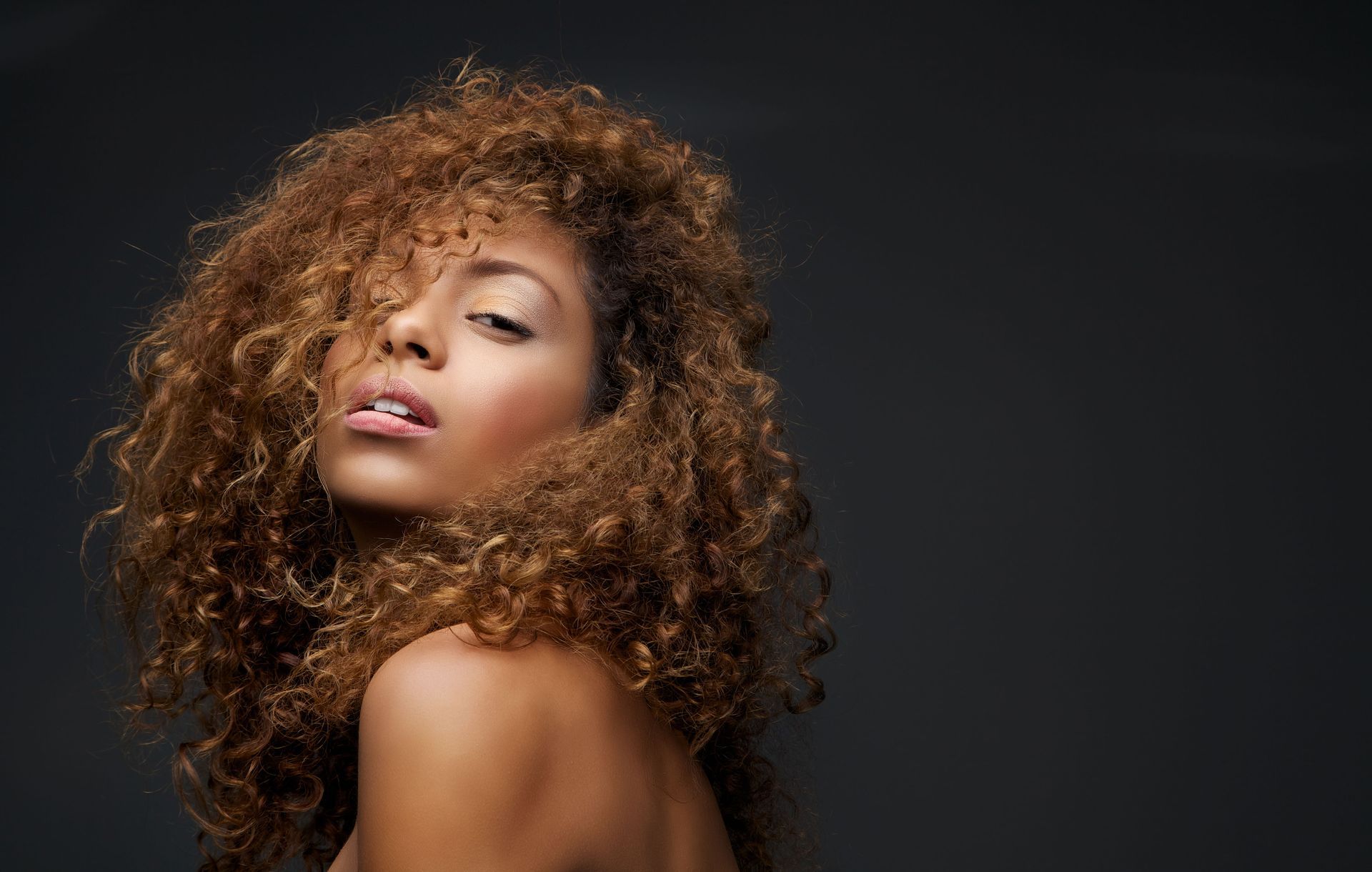
Once you’ve identified your undertone, the next step is aligning it with the right color palette. Warm undertones typically look best with rich, golden shades like honey blonde, caramel, or auburn. These colors enhance the natural warmth in your skin and create a cohesive look.
Cool undertones pair well with ash-based shades, including platinum blonde, cool brown, or blue-black. These tones balance out redness and create a clean, polished finish. Neutral undertones have the most flexibility and can experiment with both warm and cool shades without clashing.
If you’re unsure which direction to take, consulting a local hair salon can help you test options and avoid costly trial and error. The goal is always harmony—your hair color should complement, not compete with, your natural features.
Considering Eye Color and Enhancing Natural Features
Your eye color plays a significant role in how your overall look comes together. The right hair color can make your eyes appear brighter, deeper, or more defined. It’s not just about matching tones—it’s about creating contrast and balance where it matters most.
For example, brown eyes often look richer with warm tones like chocolate, chestnut, or golden highlights. Blue eyes tend to stand out with cooler shades such as ash blonde or icy brown. Green and hazel eyes benefit from copper, red, or warm brown tones that bring out their natural variation.
Interestingly, small visual details like hair color can have an immediate impact. According to Zoom first impressions can form in as little as a fraction of a second, making these choices more influential than they might seem. A local hair salon can help you fine-tune these details so your hair enhances your overall presence.
Assessing Natural Hair Color and Managing Expectations
Your natural hair color sets the baseline for what’s realistically achievable. Drastic changes—especially going significantly lighter—often require multiple sessions, bleaching, and ongoing maintenance. Staying closer to your natural shade is usually easier to maintain and less damaging over time.
Hair color levels, typically ranging from 1 (black) to 10 (light blonde), help professionals determine how much lift or deposit is needed. Understanding your starting level makes it easier to plan your transformation without unrealistic expectations.
If you’re aiming for a noticeable change without heavy upkeep, subtle adjustments like highlights or lowlights can create depth while keeping your routine manageable. A local hair salon can map out a transition plan that protects your hair while achieving your desired result.
Choosing Techniques and Maintaining Hair Health
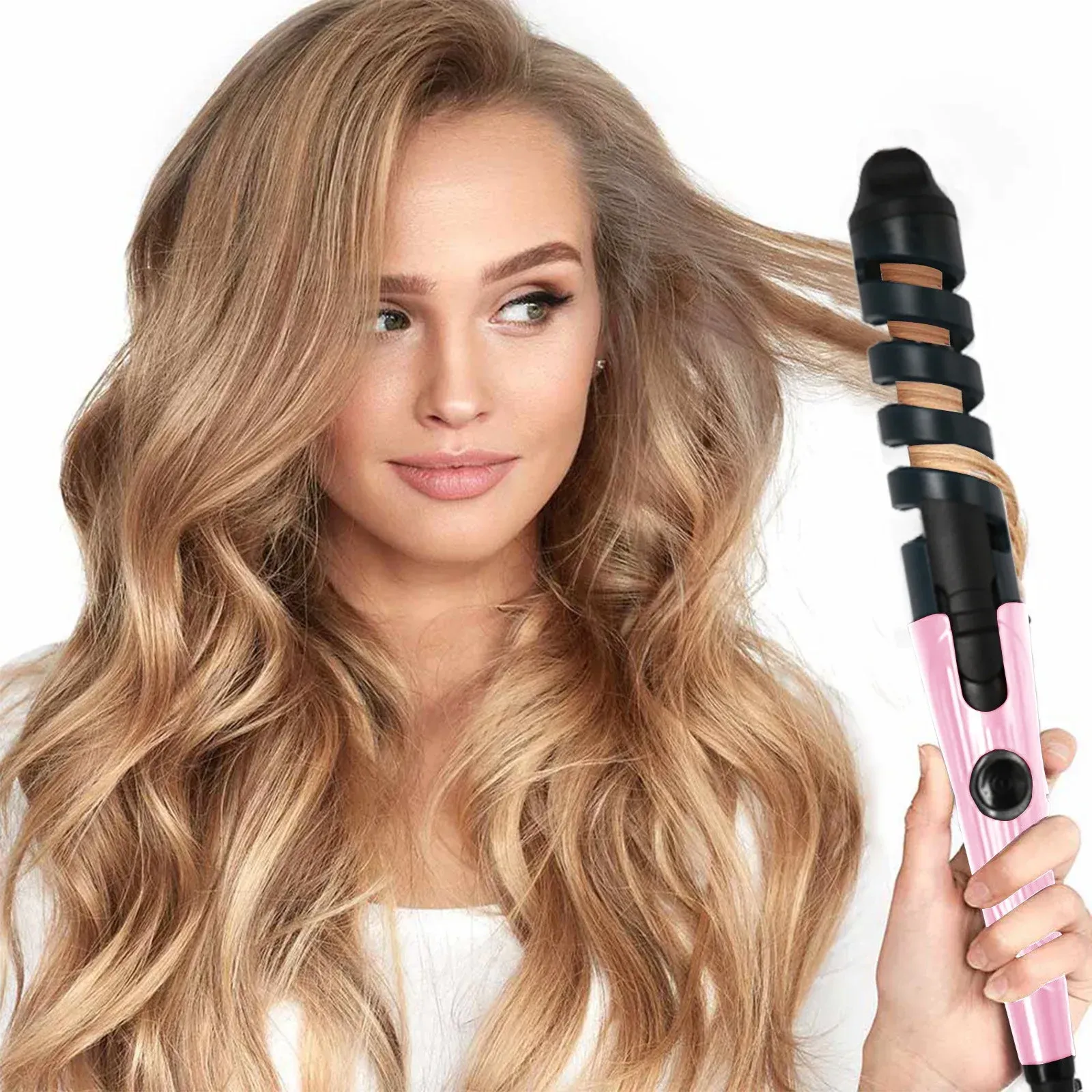
Color isn’t just about the shade—it’s also about how it’s applied. Techniques like balayage, ombré, and color melts offer different visual effects and maintenance levels. Balayage, for example, creates a natural, sun-kissed look with softer regrowth, while traditional highlights provide more structured contrast.
Maintaining hair health should always be part of the decision. Coloring can weaken hair if not done properly, especially with repeated processing. Using sulfate-free products, deep conditioning treatments, and heat protection helps preserve both color and strength.
Working with a local hair salon ensures that the technique matches your hair type and lifestyle. Professionals can recommend methods that deliver the look you want without compromising long-term hair health.
Aligning Lifestyle and Selecting Maintenance-Friendly Options
Your daily routine should influence your hair color choice just as much as aesthetics. If you have a busy schedule or prefer low-maintenance grooming, high-contrast colors or frequent touch-ups may not be practical.
Low-maintenance options like balayage or root-shadowing grow out more naturally and require fewer appointments. On the other hand, bold colors or platinum shades demand consistent upkeep to stay vibrant and even.
It’s also important to consider your work environment and personal style. While some settings allow for creative expression, others may favor more natural tones. A local hair salon can help you strike the right balance between individuality and practicality.
Consulting Professionals and Refining Your Decision
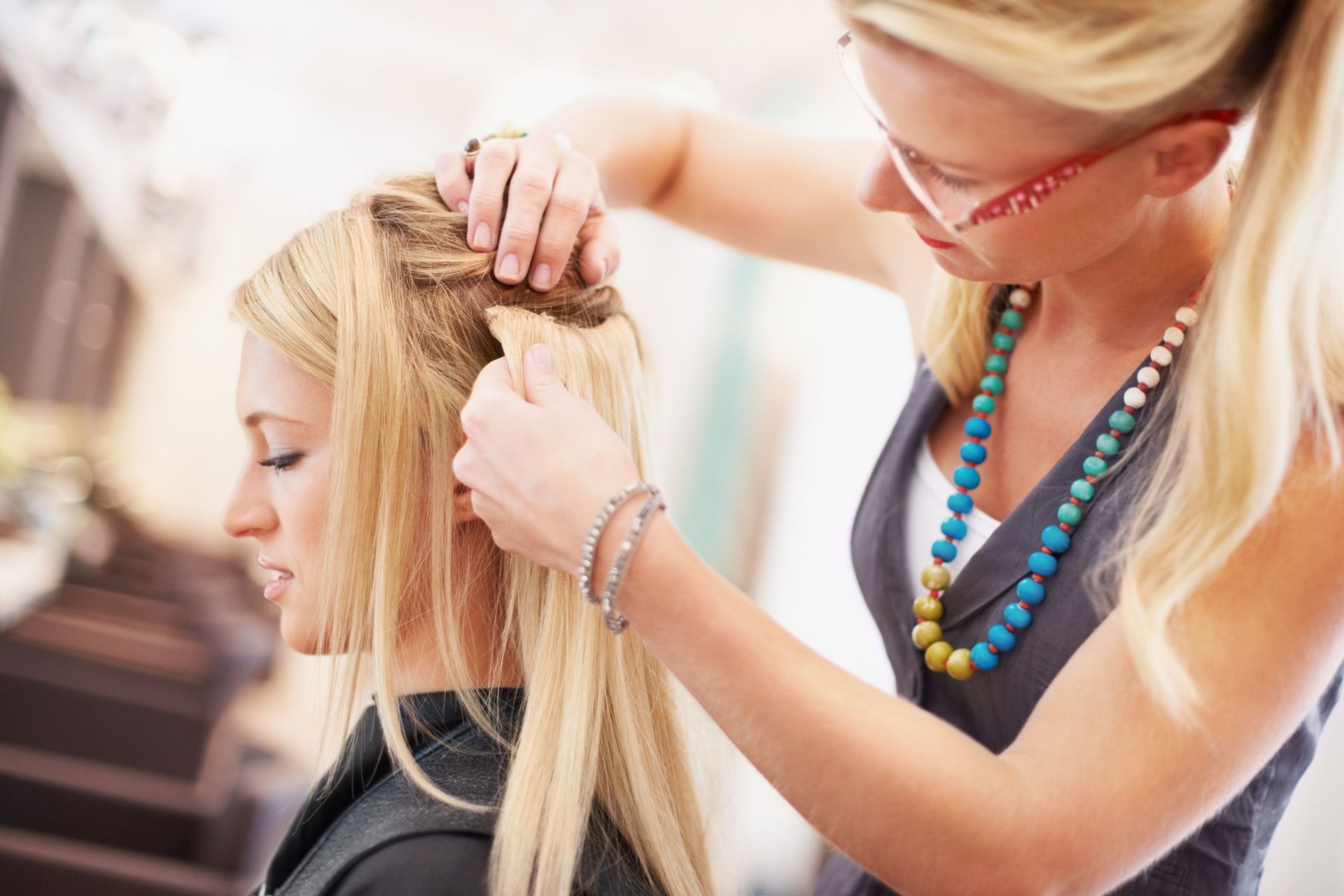
Even with research and inspiration, professional guidance remains one of the most valuable parts of the process. Stylists bring technical knowledge, experience, and an objective perspective that helps refine your ideas into a realistic plan.
During a consultation, it’s important to discuss your goals, maintenance preferences, and any concerns about hair health. Bringing reference photos can also help communicate your vision more clearly. Understanding basic terminology—like tone, level, and technique—can make the conversation more productive.
Patch testing and post-color care are also critical steps that shouldn’t be overlooked. A local hair salon will handle these details to ensure both safety and long-lasting results.
Choosing the best hair color is ultimately about finding a balance between what looks good, what feels right, and what fits into your everyday life. When you take the time to consider your skin tone, eye color, natural base, and maintenance preferences, the decision becomes far more manageable.
The most successful color choices are the ones that enhance your natural features while aligning with your routine and personal style. Whether you’re making a subtle adjustment or a bold change, having the right guidance makes all the difference. For personalized recommendations and expert application, book your next appointment with Honey House Hair Salon.