June 11, 2026
Maintaining healthy hair goes beyond regular visits to the salon. Understanding effective between-trim routines can keep your locks vibrant, strong and beautiful. This guide explains practical habits that preserve hair health between cuts while helping you make better choices at home and during appointments at salons.
Hair Type Awareness
Understanding your hair texture is fundamental when building a care routine. Hair may be straight, wavy, curly or coily, and each type responds differently to moisture, oils and styling products. Straight hair may become oily faster, while curly and coily hair often needs more hydration. Identifying your texture helps you avoid products that weigh hair down or leave it too dry. This knowledge supports stronger, healthier hair between visits to salons.
Hair porosity is also important because it affects how your hair absorbs and holds moisture. High porosity hair may need heavier oils or creams to seal hydration, while low porosity hair often responds better to lightweight formulas. Scalp health matters as well. Dryness, buildup, dandruff or excess oil can affect growth and shine. Paying attention to these signs allows you to adjust products before small issues become larger problems.
Washing Routine Development
Choosing the right shampoo helps create a strong foundation for healthy hair. A volumizing shampoo may work well for fine hair, while a moisturizing formula may benefit dry or textured hair. Washing too often can strip natural oils, but waiting too long can lead to buildup. The best routine depends on your hair type, lifestyle and environment. Many salons recommend changing your wash schedule gradually so your scalp can adjust.
Water temperature can also affect hair condition. Lukewarm water cleanses without stripping the hair as harshly as hot water. During washing, gentle scalp massages can help improve circulation, loosen buildup and distribute natural oils. Conditioner should usually be focused on the ends, where dryness and breakage are most common. Proper conditioning supports softness, shine and manageability between appointments at salons.
Nutrition and Hydration Support
Healthy hair begins with internal care. Nutrients such as protein, biotin, iron, zinc and Omega-3 fatty acids help support stronger strands and healthier growth. Foods such as eggs, nuts, seeds, leafy greens and fish can contribute to better hair quality over time. Staying hydrated is equally important because water supports elasticity and helps reduce dryness. A balanced diet can make your hair more resilient between styling sessions and trims.
Limiting excess sugar, alcohol and too much caffeine can also support hair health. These habits may contribute to dryness, dehydration or poor scalp condition when not balanced with proper nutrition. Replacing processed snacks with whole foods and drinking enough water throughout the day are simple ways to support your hair from the inside out. Healthy routines between salons often begin with everyday wellness choices.
Heat and Styling Protection
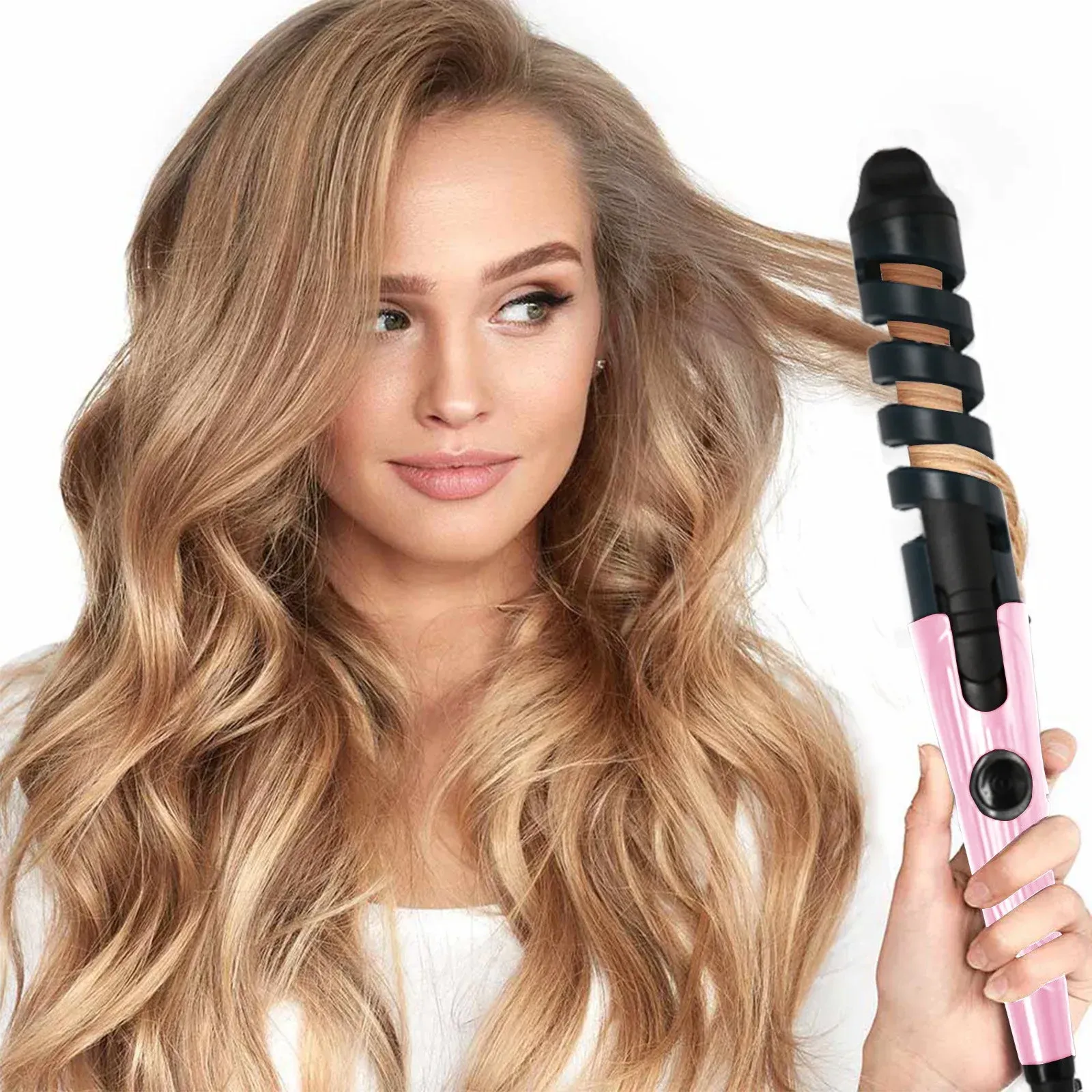
Heat styling tools can create polished looks, but frequent use may weaken hair and cause split ends. Heat protectant sprays create a barrier that helps reduce damage from straighteners, curling irons and blow dryers. Air drying when possible gives hair a break from high temperatures and can help preserve natural texture. When heat tools are necessary, lower settings are often safer than maximum heat.
Gentle hairstyles also help reduce breakage. Loose braids, soft buns and low-tension styles are better options than tight ponytails or pulled-back looks that strain the scalp. Wide-toothed combs, soft-bristle brushes, microfiber towels and silk scrunchies can reduce friction and snapping. Many salons suggest replacing worn styling tools because damaged brushes or hot tools can create unnecessary stress on the hair.
Treatment and Mask Maintenance
Deep conditioning treatments can restore moisture lost through washing, styling and environmental exposure. Weekly treatments may help dry or damaged hair feel softer and easier to manage. Protein masks can also strengthen strands by supporting the hair structure, especially when breakage or weakness is a concern. Alternating moisture and protein treatments can help maintain balance without overloading the hair.
Natural oils such as coconut, argan and olive oil can add shine and help seal moisture when used properly. DIY masks made with ingredients like avocado, honey or yogurt may offer a simple boost for certain hair types. For more targeted concerns, professional treatments may be useful. Salons often provide advanced formulas and techniques that address dryness, breakage, frizz or chemical damage more directly than at-home care.
Trim and Maintenance Planning
Regular trims help remove split ends before they travel up the hair shaft and cause more breakage. According to Vogue, a hair trim involves removing an inch or two from the ends, while a cut is more drastic and exceeds two to three inches. Understanding that difference helps you communicate clearly with your stylist and protect your length goals. Planned trims can keep hair looking fresh without requiring major cuts.
Dusting is another helpful maintenance method that removes only the smallest damaged tips. This can be useful for people who want to retain length while keeping the ends neat. Working with a trusted stylist is also valuable because they can recommend timing, treatments and products based on your hair type. Reliable salons can help you build a care plan that supports healthy hair between appointments.
Nighttime Hair Care Habits
Creating a nighttime hair care routine can significantly improve the condition of your hair over time. Hair is more vulnerable to friction and tangling during sleep, especially when left loose on rough fabrics. Switching to silk or satin pillowcases helps reduce friction that may lead to frizz, dryness and breakage. Wrapping hair in a silk scarf or bonnet can also help preserve moisture and maintain hairstyles overnight. These small adjustments provide additional protection while you sleep and help extend the results of treatments and styling.
Loose protective styles before bed can also reduce stress on the hair shaft. Braids, twists or low buns help prevent knots and excessive tangling by keeping strands controlled throughout the night. Tight hairstyles should still be avoided because they may strain the scalp and weaken edges over time. Applying a lightweight leave-in conditioner or hair serum before bed can provide added hydration and improve softness by morning. Consistent nighttime care helps support stronger, smoother and more manageable hair between appointments at salons.
Seasonal Hair Care Adjustments
Seasonal changes often require adjustments to your hair care routine. During colder months, dry air and indoor heating may strip moisture from the hair and scalp, increasing the need for hydrating masks and oils. In warmer weather, humidity and sun exposure can create frizz, dryness and color fading. Using UV-protectant products or wearing hats outdoors can help shield hair from environmental stress. Adapting your routine throughout the year allows your hair to stay balanced and healthier despite changing conditions.
Swimming pools and saltwater can also affect hair health if proper precautions are not taken. Chlorine and salt may leave hair feeling dry or brittle, especially when exposure is frequent. Rinsing your hair before and after swimming can minimize absorption and help reduce damage. Deep conditioning after water activities may restore moisture and improve manageability. Many salons encourage clients to use clarifying shampoos occasionally during summer months to remove buildup from sweat, sunscreen and pool chemicals.
Maintaining hair health between cuts requires consistent care, proper washing, balanced nutrition, heat protection, treatments and thoughtful trims. By understanding your hair type and making small daily adjustments, you can reduce breakage, improve shine and support long-term strength. A steady routine helps your hair remain healthy, manageable and vibrant between visits to salons. Contact our team at Honey House Hair Salon today and learn more about our salon services.